
Very nice :)

Contact me on matrix chat: @nikaaa:tchncs.de
- 20 Posts
- 867 Comments
Joined 2 years ago
Cake day: January 12th, 2024
You are not logged in. If you use a Fediverse account that is able to follow users, you can follow this user.
 2·19 hours ago
that’s actually why starlink uses very low orbits … in case they fail, they de-orbit automatically within 5 years due to atmospheric friction, so the orbit is “self-cleaning”
 21·20 hours ago
wait, it’s minecraft all over again?
yeah i think to meaningfully embed peertube, we’d probably have to copy the peertube video player into the Lemmy frontend/app.
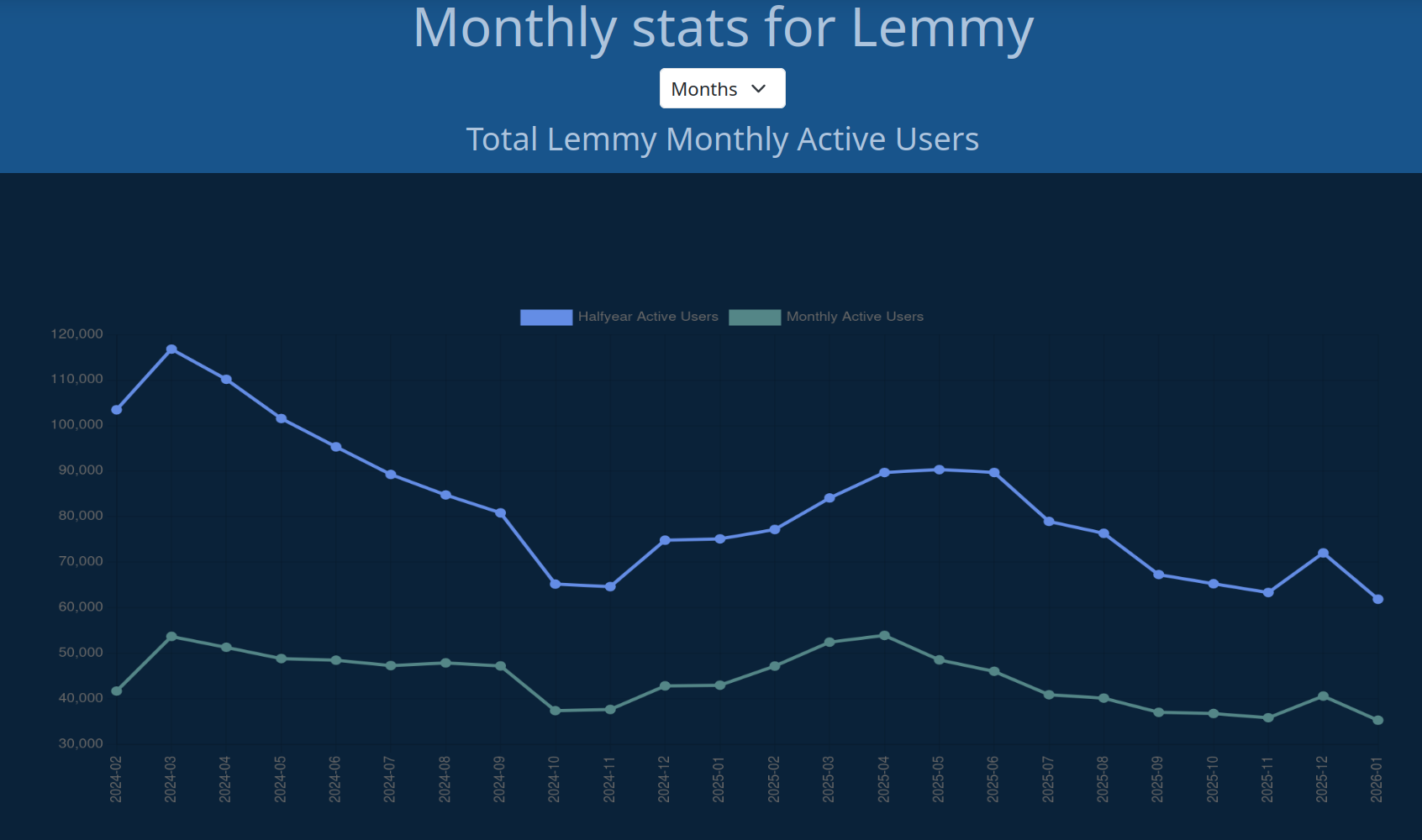
Maybe there’s only underlying posts and users to the fediverse, and the difference between Lemmy and Mastodon is mostly how they’re organized and presented in the feed
 1·21 hours ago
Yeah i was thinking one could probably generate something like synthetic petroleum when one has excess clean energy and store the synthetic fuel for many months.
First thing: biomass is about 200-250g of CO²eq per kWh. Burning biomass is polluting, and thus is not a viable alternative to nuclear, hydro, solar, wind, and the other low-carbon power sources we should aiming for.
I think “biomass” CO2 emission depends on whether it’s renewable biomass (which i meant here) or non-renewable biomass (a.k.a fossil fuels). If you consider it over a 10-year average.
well what did you expect? it’s the option that makes most money
hahah that happened to me once, it was so awkward xD

I have made a habit of writing down somebody’s name immediately after i met them on a notes app on my phone. This way i remember it better but also i can look it up in case i do end up forgetting it anyways.
Maybe turning mastodon and pixelfed tags into communities and figuring out how to better integrate there would provide more and interesting content
yeah, i’ve been thinking about the same thing. how to properly embed mastodon content into Lemmy? Maybe one community for each poster? Is that the right approach?
Or should one Mastodon hashtag turn into one Lemmy community?

mostly these
Reddit’s algo
in fact i have been asking for a better Lemmy content recommendation system here
i never said i support the democrats. in fact i don’t. sorry if it came across that way.

my take is that 1. you don’t need equal supply year-through because big consumers should be able to sleep and reduce their energy intake in the winter. yes i know that is complicated, but sleep is also complicated in nature and evolution still pulled through with it because it does pay off in the long term.
secondly, storage can also be renewable biomass. i have some napkin math sitting around somewhere on my disk that says that about 5% of the yearly energy demand can be covered with basically non-cost “waste” biomass that’s basically being burned to get rid of it today. I actually wanted to write a longer post about it in the [email protected] community, i just couldn’t figure out how to properly present my calculations yet.
i am still surprised that 800 people commented. i never saw 800 people under a single post so it must be pretty dang important to people
It was never about not having gatekeepers, it’s about being able to choose who the gatekeeper(s) is/are.
I really feel you. I recently started aggressively blocking all politics-related communities. It does help a lot. Feed is much emptier, obviously, but it’s still the right move i guess.





life is billions of years old.
life will find a way.