Yeah, I thought life was hard but sustainable mostly, turns out one was always at risk of extinction:
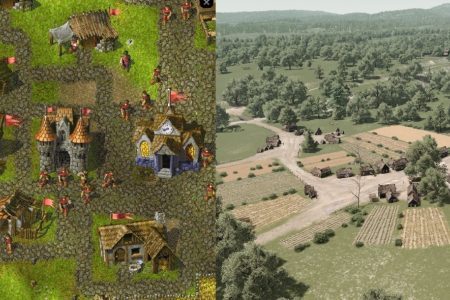
Medieval villagers were often living on the edge of subsistence. Agricultural surpluses were skimmed by the church and the feudal lords. Bad harvests, banditry, warfare and disease might decimate a village community at any time. For this very reason, the demography of many European villages remained relatively stable between the twelfth and the eighteenth century.


Pretty insightful. Key takeaways:
Yeah, I thought life was hard but sustainable mostly, turns out one was always at risk of extinction:
Hm… wasn’t there like a 33% dip back in the fourteenth, not counting subsequent migration to the cities and whatnot…?